Chinese TV Series
Learn Chinese Through Stories
戏剧来源于生活
The characters, families, work, and emotions in TV dramas are not fictional stories far away from reality, but a condensed form of social life experience.
I have always believed that books can help us study a language, but to truly master a language, we also need to understand how the people who speak it live, how they think, and why they express themselves in certain ways.
Language never exists in isolation.
A simple “Have you eaten?” carries the way Chinese people greet and care for one another. A phrase like “You decide” is not only a few Chinese characters; it also contains relationship, trust, and the speaker’s attitude. What we really need to learn is not only vocabulary and grammar, but also the cultural background that gives these expressions life.
The characters, families, work, love, and conflicts in TV dramas are not there only to make a story more exciting. They are there because these situations truly happen in people’s everyday lives. Every line of dialogue reflects a habit of living; every silence may also carry a culture.
As someone who works in film music and arrangement, I have long observed characters, emotion, and narrative from the perspective of screen creation. So in this series, I will not only explain what a line means. I will accompany you in understanding why a character says it, why they act that way, and how this language is used in real life.
This is not simply an analysis of a TV series, and it is not a Chinese textbook.
It is more like a window.
Through TV dramas, we will observe today’s China together, understand the way Chinese people live, and slowly understand the real logic behind Chinese expression.
Welcome to Chinese TV Series.
Watch slowly, and understand Chinese slowly.
Learn Chinese Through Stories
戏剧来源于生活
电视剧中的人物、家庭、工作和情感,并不是虚构出来的距离现实很远的故事,而是一个社会生活经验的浓缩。
我始终相信,书本可以帮助我们学习一门语言,但真正掌握一门语言,还需要理解说这门语言的人如何生活、如何思考,以及他们为什么会这样表达。
语言从来不是孤立存在的。
一句简单的“吃了吗”,背后是中国人与人之间打招呼的方式;一句“你看着办”,不仅仅是几个汉字,更包含了关系、信任和说话人的态度。真正需要学习的,不只是词汇和语法,还有这些表达产生的文化背景。
电视剧中的人物、家庭、工作、爱情和冲突,并不是为了让故事更加精彩,而是因为这些情节每天都真实发生在人们的生活里。每一句对白,都反映着一种生活习惯;每一次沉默,也可能代表一种文化。
作为一名电影配乐与编曲工作者,我长期从影视创作的角度观察人物、情绪与叙事。因此,在这个系列中,我不会只是解释一句台词的意思,而会陪你一起理解人物为什么这样说、为什么这样做,以及这些语言在真实生活中的使用方式。
这里不是一部电视剧的解析,也不是一本中文教材。
这里更像一扇窗。
透过电视剧,我们一起观察今天的中国,理解中国人的生活方式,也慢慢理解中文真正的表达逻辑。
欢迎来到 Chinese TV Series。
慢慢看,也慢慢理解中文。
Learn Chinese Through Stories
戏剧来源于生活Xìjù láiyuán yú shēnghuó
电视剧中的人物、家庭、工作和情感,并不是虚构出来的距离现实很远的故事,而是一个社会生活经验的浓缩。Diànshìjù zhōng de rénwù, jiātíng, gōngzuò hé qínggǎn, bìng bú shì xūgòu chūlái de jùlí xiànshí hěn yuǎn de gùshi, ér shì yí ge shèhuì shēnghuó jīngyàn de nóngsuō.
我始终相信,书本可以帮助我们学习一门语言,但真正掌握一门语言,还需要理解说这门语言的人如何生活、如何思考,以及他们为什么会这样表达。Wǒ shǐzhōng xiāngxìn, shūběn kěyǐ bāngzhù wǒmen xuéxí yì mén yǔyán, dàn zhēnzhèng zhǎngwò yì mén yǔyán, hái xūyào lǐjiě shuō zhè mén yǔyán de rén rúhé shēnghuó, rúhé sīkǎo, yǐjí tāmen wèishénme huì zhèyàng biǎodá.
语言从来不是孤立存在的。Yǔyán cónglái bú shì gūlì cúnzài de.
一句简单的“吃了吗”,背后是中国人与人之间打招呼的方式;一句“你看着办”,不仅仅是几个汉字,更包含了关系、信任和说话人的态度。真正需要学习的,不只是词汇和语法,还有这些表达产生的文化背景。Yí jù jiǎndān de “chī le ma”, bèihòu shì Zhōngguó rén yǔ rén zhījiān dǎ zhāohu de fāngshì; yí jù “nǐ kànzhe bàn”, bù jǐnjǐn shì jǐ ge Hànzì, gèng bāohán le guānxì, xìnrèn hé shuōhuà rén de tàidu. Zhēnzhèng xūyào xuéxí de, bú zhǐ shì cíhuì hé yǔfǎ, hái yǒu zhèxiē biǎodá chǎnshēng de wénhuà bèijǐng.
电视剧中的人物、家庭、工作、爱情和冲突,并不是为了让故事更加精彩,而是因为这些情节每天都真实发生在人们的生活里。每一句对白,都反映着一种生活习惯;每一次沉默,也可能代表一种文化。Diànshìjù zhōng de rénwù, jiātíng, gōngzuò, àiqíng hé chōngtū, bìng bú shì wèile ràng gùshi gèngjiā jīngcǎi, ér shì yīnwèi zhèxiē qíngjié měitiān dōu zhēnshí fāshēng zài rénmen de shēnghuó lǐ. Měi yí jù duìbái, dōu fǎnyìng zhe yì zhǒng shēnghuó xíguàn; měi yí cì chénmò, yě kěnéng dàibiǎo yì zhǒng wénhuà.
作为一名电影配乐与编曲工作者,我长期从影视创作的角度观察人物、情绪与叙事。因此,在这个系列中,我不会只是解释一句台词的意思,而会陪你一起理解人物为什么这样说、为什么这样做,以及这些语言在真实生活中的使用方式。Zuòwéi yì míng diànyǐng pèiyuè yǔ biānqǔ gōngzuòzhě, wǒ chángqī cóng yǐngshì chuàngzuò de jiǎodù guānchá rénwù, qíngxù yǔ xùshì. Yīncǐ, zài zhège xìliè zhōng, wǒ bú huì zhǐ shì jiěshì yí jù táicí de yìsi, ér huì péi nǐ yìqǐ lǐjiě rénwù wèishénme zhèyàng shuō, wèishénme zhèyàng zuò, yǐjí zhèxiē yǔyán zài zhēnshí shēnghuó zhōng de shǐyòng fāngshì.
这里不是一部电视剧的解析,也不是一本中文教材。Zhèlǐ bú shì yí bù diànshìjù de jiěxī, yě bú shì yì běn Zhōngwén jiàocái.
这里更像一扇窗。Zhèlǐ gèng xiàng yí shàn chuāng.
透过电视剧,我们一起观察今天的中国,理解中国人的生活方式,也慢慢理解中文真正的表达逻辑。Tòuguò diànshìjù, wǒmen yìqǐ guānchá jīntiān de Zhōngguó, lǐjiě Zhōngguó rén de shēnghuó fāngshì, yě mànmàn lǐjiě Zhōngwén zhēnzhèng de biǎodá luójí.
欢迎来到 Chinese TV Series。Huānyíng láidào Chinese TV Series.
慢慢看,也慢慢理解中文。Mànmàn kàn, yě mànmàn lǐjiě Zhōngwén.
Learn Chinese Through Stories
戏剧来源于生活
Les personnages, les familles, le travail et les émotions dans les séries ne sont pas des histoires inventées très loin de la réalité, mais une concentration d’expériences de vie sociale.
J’ai toujours cru que les livres peuvent nous aider à étudier une langue, mais que pour vraiment la maîtriser, il faut aussi comprendre comment vivent les personnes qui la parlent, comment elles pensent, et pourquoi elles s’expriment de cette manière.
Une langue n’existe jamais seule.
Une simple phrase comme « Tu as mangé ? » révèle une manière chinoise de saluer et de prendre soin de l’autre. Une phrase comme « Fais comme tu le sens » n’est pas seulement quelques caractères chinois : elle contient aussi une relation, une confiance et l’attitude de la personne qui parle. Ce qu’il faut apprendre, ce n’est pas seulement le vocabulaire et la grammaire, mais aussi le contexte culturel qui donne naissance à ces expressions.
Les personnages, les familles, le travail, l’amour et les conflits dans les séries ne sont pas là uniquement pour rendre l’histoire plus captivante. Ils existent parce que ces situations se produisent réellement, chaque jour, dans la vie des gens. Chaque réplique reflète une habitude de vie ; chaque silence peut aussi représenter une culture.
En tant que compositrice et arrangeuse pour l’image, j’observe depuis longtemps les personnages, les émotions et la narration à travers la création audiovisuelle. Dans cette série, je ne vais donc pas seulement expliquer le sens d’une réplique : je t’accompagnerai pour comprendre pourquoi un personnage parle ainsi, pourquoi il agit ainsi, et comment cette langue s’utilise dans la vraie vie.
Ici, ce n’est pas simplement l’analyse d’une série télévisée, ni un manuel de chinois.
C’est plutôt une fenêtre.
À travers les séries, nous observerons ensemble la Chine d’aujourd’hui, nous comprendrons le mode de vie des Chinois, et nous comprendrons peu à peu la vraie logique de l’expression chinoise.
Bienvenue dans Chinese TV Series.
Regardons lentement, et comprenons lentement le chinois.

欢乐颂 Ode to Joy
Five women from different backgrounds
share one Shanghai apartment.
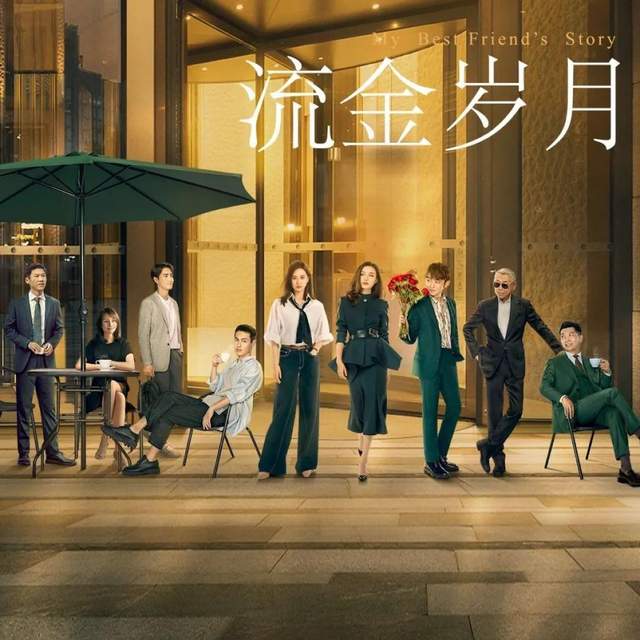
流金岁月 My Best Friend’s Story
A story of two women growing up
in modern Shanghai.